
Marble Dust vs Pure Marble : A Detailed Comparison for Your Home Temple
For centuries, pure marble has been the material of choice for crafting exquisite deity statues, revered for its natural beauty and spiritual significance. However, in the modern era, a new material has emerged that offers a compelling alternative: marble dust statues. As an expert in the art and handicrafts field, I often guide collectors in understanding the nuances of these materials. For the Sumitra Art Collection, understanding the marble dust vs marble statues debate is key to making an informed choice for your home temple
The Core Difference Marble Dust vs Pure Marble : Material Composition
The fundamental distinction lies in how the statues are formed.
Feature
Composition
Creation Method
Weight
Durability
Cost
Pure Marble Statue
100% natural stone (Calcium Carbonate) carved from a single block.
Hand-carved, a subtractive process where material is removed.
Very heavy and dense.
Highly durable, but brittle and prone to chipping or cracking if dropped.
Significantly higher due to the rarity of large, flawless blocks and the intensive labor of carving.
Marble Dust Statue (Bonded Marble)
A composite of fine marble dust (80-90%) mixed with a synthetic binding resin.
Cast in a mold, an additive process where the material is poured and set.
Heavy, offering a premium feel, generally lighter than an equivalent solid marble piece.
Highly resilient, less brittle, and more resistant to minor impacts and breakage due to the resin bond.
More affordable, as the casting process is less labor-intensive and utilizes marble byproducts.
Aesthetic and Spiritual Considerations
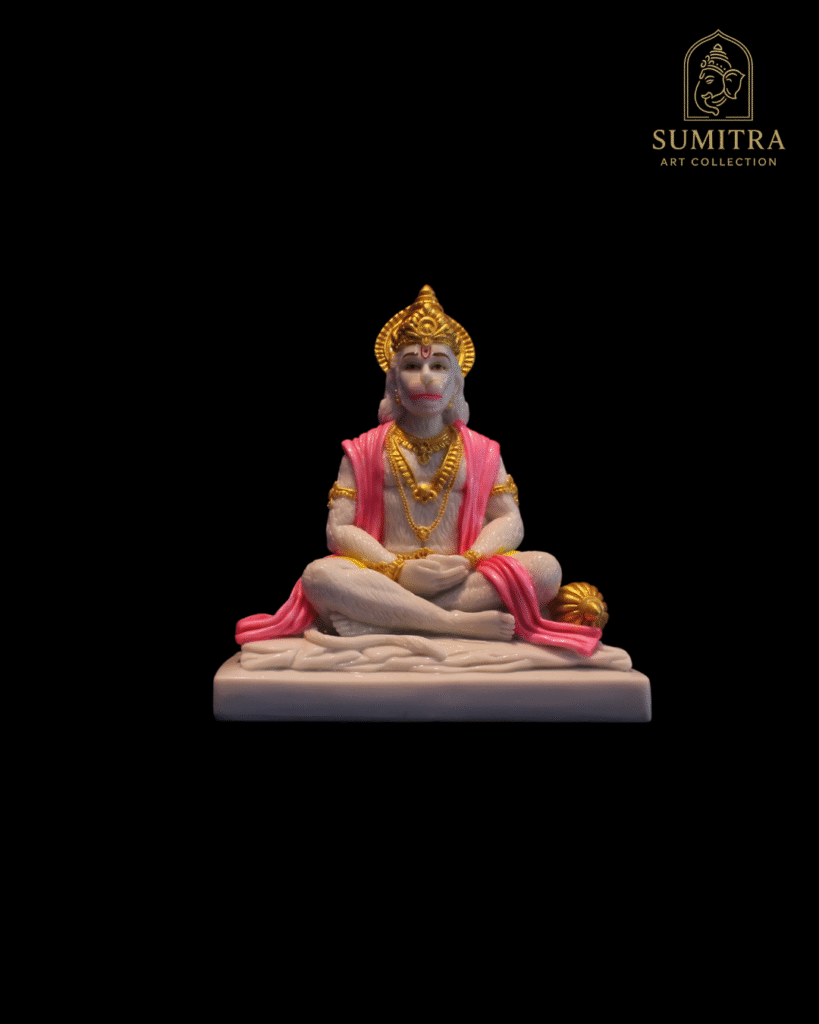
The marble dust murti comparison extends beyond just the material science; it touches on aesthetics, maintenance, and even spiritual perception.
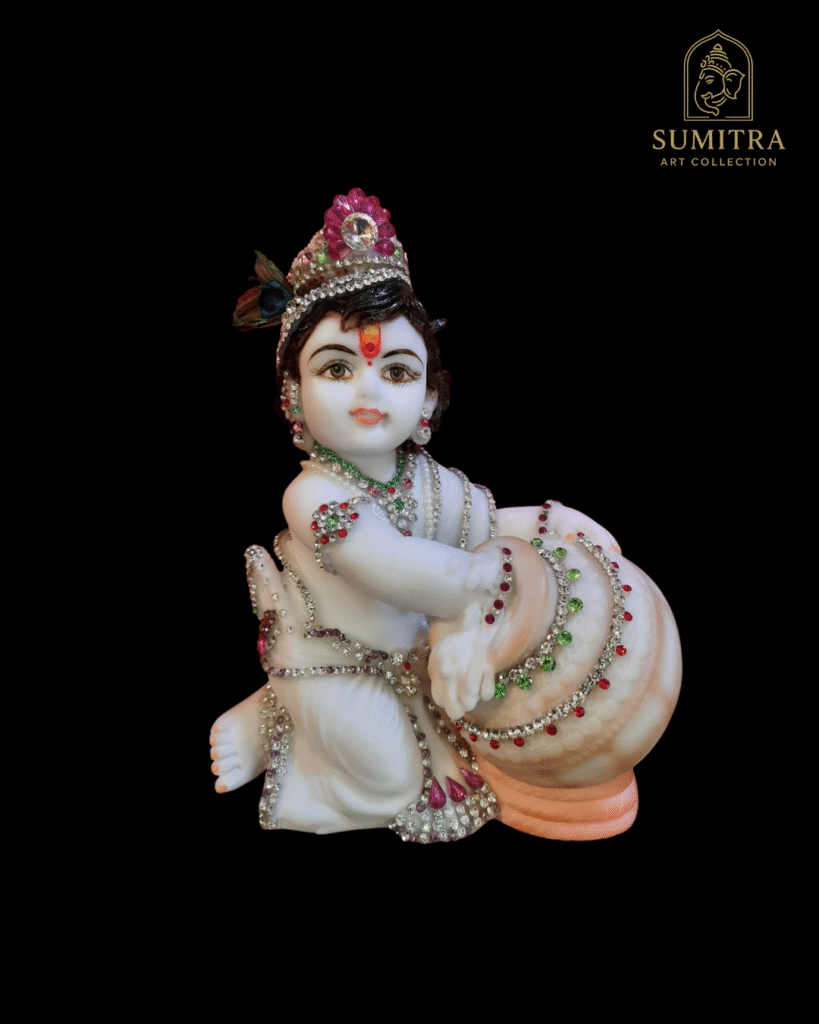
Aesthetics: The Look and Feel
Marble dust statues, particularly those from Sumitra Art Collection, are engineered to replicate the look and feel of their pure marble counterparts. They possess the same cold, smooth surface and can achieve extraordinary levels of detail thanks to the casting process. The resin allows for a highly detailed finish that is often difficult to achieve in pure marble carving, especially for complex designs.
Value and Accessibility
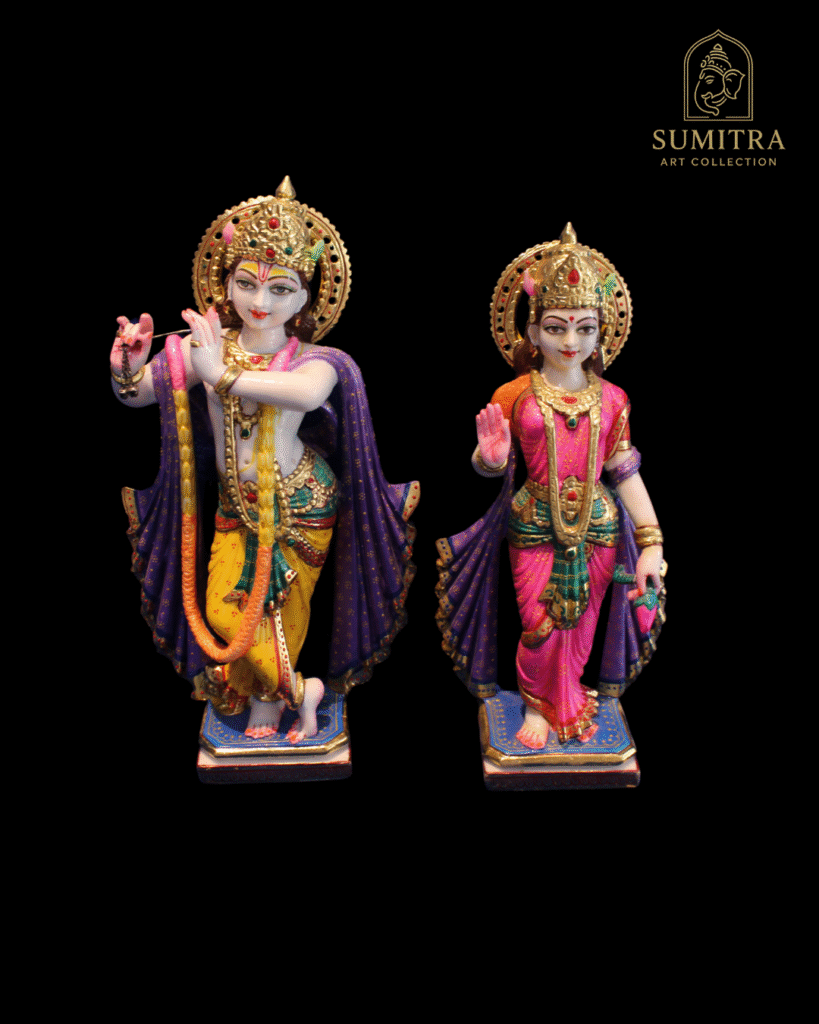
The value of marble dust statues is found in their balance of quality and cost. For many devotees, a large, intricately detailed pure marble statue is financially out of reach. Bonded marble vs pure marble offers a solution: a beautiful, durable, and visually identical piece that is much more accessible. This allows more families to bring home a high-quality representation of their chosen deity.

Maintenance and Care
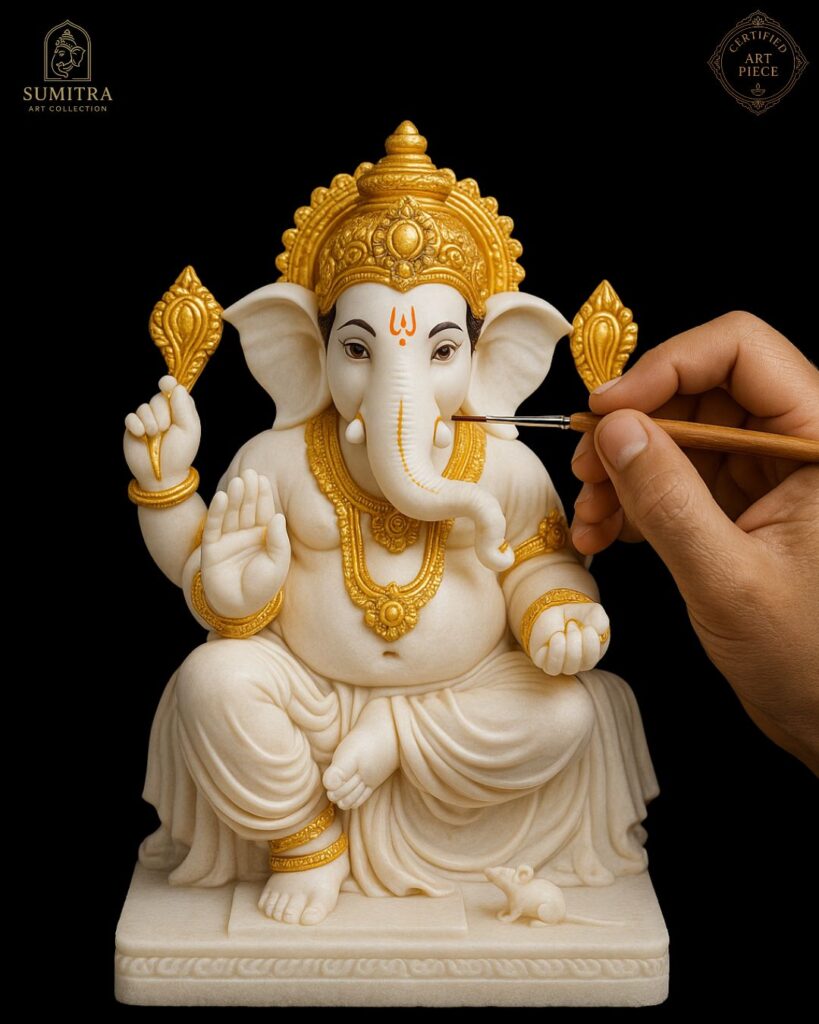
Marble Dust vs Pure Marble: Choosing the Right Idol for Your Space
When comparing marble dust vs pure marble, the right choice depends on space, usage, and personal preference rather than one material being better than the other. Both materials have been used in Indian art and deity craftsmanship for many years and continue to serve different purposes in modern homes and temples.
Understanding the difference between marble dust vs pure marble helps buyers make informed decisions, especially when selecting idols for daily worship, decoration, or gifting.